
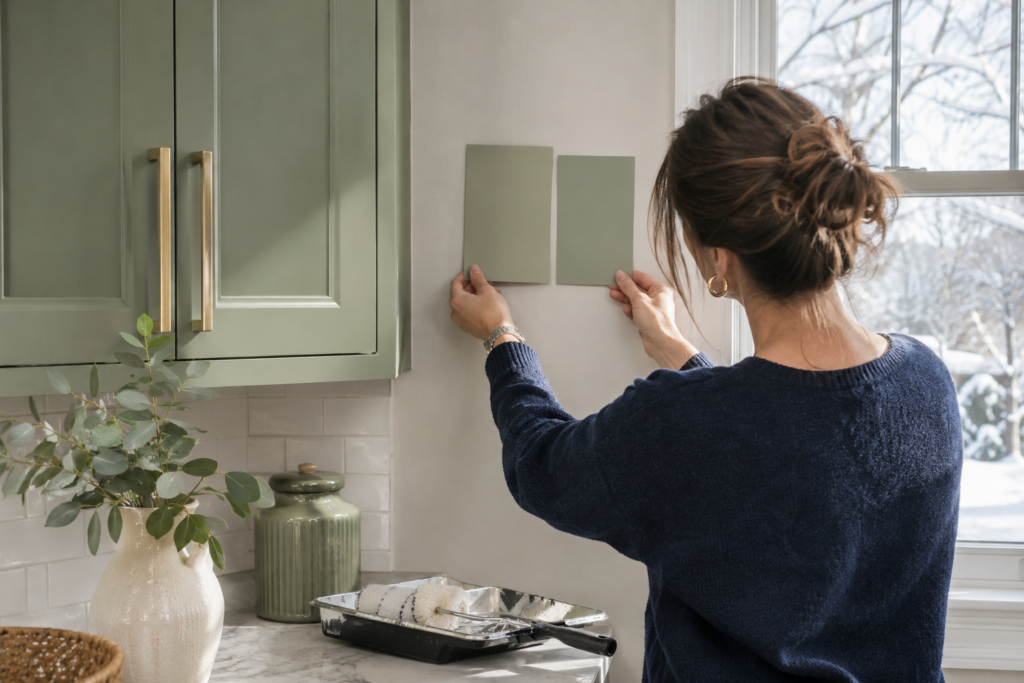
Preparing a home for sale in Clinton often starts with unfinished projects that take up more attention than their size suggests. A missing trim piece, an open permit question, or a half-completed bathroom leaves buyers wondering how much work remains. Before listing a Clinton home, review improvements by what they accomplish and whether you can finish them properly.
The goal is a coherent, well-presented property with accurate information. That may mean completing a few visible loose ends, addressing a functional issue, and leaving a larger renovation for the next owner. Spending more does not automatically create a stronger selling result.
Preparing a home for sale in Clinton: finish work underway
Walk through the house and list every unfinished task. Include small details such as missing outlet covers and unpainted patches, but separate them from work involving plumbing, electrical systems, structural elements, or water intrusion. Technical work may require a qualified contractor and approvals rather than a weekend finish.
For each project, write down what remains, who will complete it, materials needed, and the realistic completion date. Count cleanup and any final inspection as part of completion. A contractor’s last installation day is not always the day the room is ready for photographs or showings.
Confirm which office handles the property
The Village of Clinton publishes building, trade, and zoning forms. If your home is inside the village, use that office as a starting point for project questions. A property with a Clinton mailing address may require a different jurisdiction, so confirm the parcel before you submit paperwork.
Ask whether existing work has the necessary approvals and whether any inspection remains outstanding. Describe the actual scope, including any changes from the original plan. A receipt from a contractor and a permit record serve different purposes; keep both when available.
Prioritize function and visible consistency
Repairs that help a home function as expected often deserve attention before purely decorative changes. Investigate active leaks, unreliable fixtures, damaged walking surfaces, or a door that cannot close properly. Avoid covering a symptom with paint before understanding its cause.
After functional priorities, look for inexpensive ways to make existing finishes feel complete. Touch up a room consistently, replace missing hardware with matching pieces, and remove leftover construction materials. Cleaning and sensible furniture placement may improve presentation without beginning another project.
A three-question test for each improvement
- Does it resolve a documented condition or merely reflect my taste?
- Can it be completed correctly before photography and showings?
- Is the likely benefit supported by comparable homes and buyer feedback, rather than an assumed return?
Use the answers to sort your list into “finish now,” “investigate first,” and “leave with accurate information.” That third category can be appropriate for a functional but dated feature. Buyers may prefer their own finishes, and a rushed renovation can consume time without resolving the issues they care about.
Compare a small completion with a major renovation
Imagine you have a recently painted kitchen with missing cabinet pulls and an older bathroom that works. Completing the kitchen hardware and cleaning the existing bath may create a clear, usable presentation. Starting a full bathroom remodel shortly before listing introduces scheduling, budget, and approval questions that need a stronger reason.
Now imagine the bathroom has an active leak. That changes the priority because its condition needs evaluation regardless of decorative taste. Have a qualified professional identify the issue and proposed repair before choosing whether to complete the work or discuss another sale strategy.
Keep the pricing conversation separate from spending
Prepare a written list of the improvements you have made, but do not add their cost mechanically to your asking price. Ask Jenn to compare the property with relevant recent sales and current competition. Condition, layout, location, lot characteristics, and available alternatives all inform the discussion.
Also compare net outcomes. Finishing a project may mean contractor expense, extra utility bills, and another month of ownership. Selling sooner with a clearly described condition may have a different price but a more manageable timeline. Neither choice is automatically right for every Clinton home.
Build a short, finishable listing schedule
Set the photography date after essential work, cleaning, and document collection can realistically be completed. Keep one folder with invoices, warranties, permit records, and a plain-language summary of what changed. Describe partial updates precisely so buyers understand their scope.
Use the Lenawee County sale preparation guide for the broader checklist, and learn how local real estate expertise helps connect condition with pricing. Contact Jenn Caruso with Howard Hanna to choose the Clinton projects worth finishing before your home reaches the market.
For a project you cannot finish before listing, review the repair, credit, or as-is decision guide with Jenn before committing more money.