
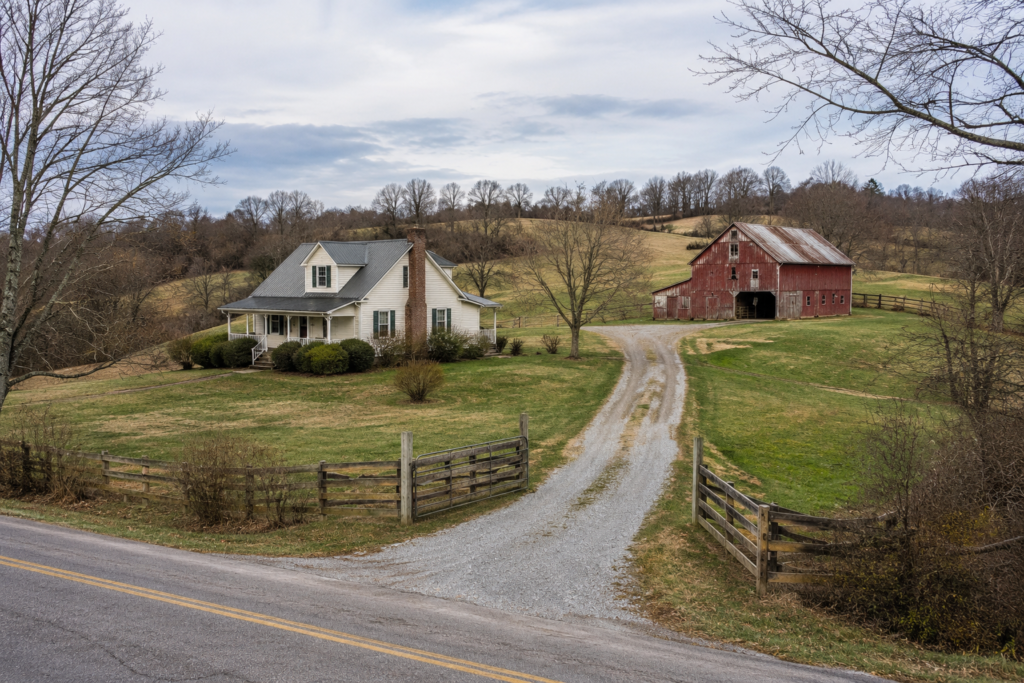
Buying a home with acreage near Onsted asks you to evaluate more than rooms and finishes. The land, driveway, accessory buildings, and utility systems all contribute to how the property will work for you. A large parcel can still have a small practical area for a garden, workshop, or future addition.
Start by writing down the uses that matter to your purchase. Storage for equipment, a hobby workshop, outdoor recreation, or space for an additional building each raises different questions. Share that list with your agent before you tour so attractive acreage does not distract from a use the property cannot support.
Buying a home with acreage near Onsted: confirm the parcel
Ask for the parcel number or numbers, legal description, available survey, and seller’s understanding of the boundaries. The Lenawee County mapping office offers online maps with parcel and geographic information. Use them to orient your questions, then ask a licensed surveyor to resolve boundary or improvement-location concerns.
Walk the property with permission and appropriate footwear. Note changes in grade, wooded areas, visible drainage features, fences, and places you cannot reasonably reach. A listing’s total acreage does not describe how every portion can be used. Avoid treating a mowed strip, tree line, or neighbor’s recollection as a confirmed boundary.
Follow the access from the road to each building
Ask whether the driveway is entirely within the property and whether any portion is shared. If access involves another parcel, obtain the recorded documents for the title company and, when needed, an attorney to review. Physical access and documented legal access are separate questions.
Consider your actual vehicles and activities. A driveway suitable for a passenger car may be inconvenient for turning a trailer. Look at overhead branches, gate openings, steep sections, and the approach to a barn. Ask who handles snow, grading, culverts, and shared maintenance, and request the agreement rather than relying on an informal explanation.
Inspect outbuildings as their own projects
A pole barn or detached workshop can be valuable to your plans, but its appearance tells only part of the story. Ask your inspector whether accessory buildings are included in the inspection. Have appropriate specialists assess structural concerns, electrical service, heating equipment, or other systems outside that scope.
Questions for an outbuilding review
- What are the measured door opening and usable interior dimensions?
- Is electrical service present, and is it suitable for your intended equipment?
- Are there roof leaks, leaning components, deteriorated posts, or damaged slabs?
- Which fixtures, stored materials, and equipment are included in the sale?
- What permit records exist, and what use has been approved?
For example, a building advertised as a workshop might serve your storage needs immediately but require substantial electrical work for machinery. Obtain an electrician’s assessment and ask the zoning office about the proposed activity before making that workshop essential to your purchase decision.
Confirm the jurisdiction and intended use
A property marketed as near Onsted may be outside the village. Use the parcel information to identify the correct municipality, then ask its zoning staff about your specific proposal. Describe the building dimensions, activity, equipment, or animals involved; a broad question about whether land is “residential” may not produce a useful answer.
Also ask about restrictions shown in title documents or other recorded agreements. Zoning permission and private restrictions are not interchangeable. If you hope to divide land, build an additional dwelling, or change an accessory building’s use, involve the relevant officials and professionals early instead of treating acreage as automatic permission.
Make utility and upkeep costs visible
Identify the water source, sewage system, heating fuel, and available internet service for the actual address. For Lenawee County properties with private systems, the health department’s document request process can help you seek existing well and septic records. Records need to be paired with appropriate current evaluation.
Make a first-year list that includes mowing equipment or service, driveway upkeep, tree work, building maintenance, fuel, and any immediate repairs. Use quotes where possible. Two similarly priced properties can require very different amounts of time and cash after closing.
The Lenawee County home buying guide can help organize the transaction, while local real estate guidance helps coordinate the property research. Explore the Onsted real estate guide, then contact Jenn Caruso with Howard Hanna to discuss the land and buildings that fit your plans.
When a property includes an older house as well as land, use the older-home offer checklist to organize the house-specific questions alongside your site notes.