
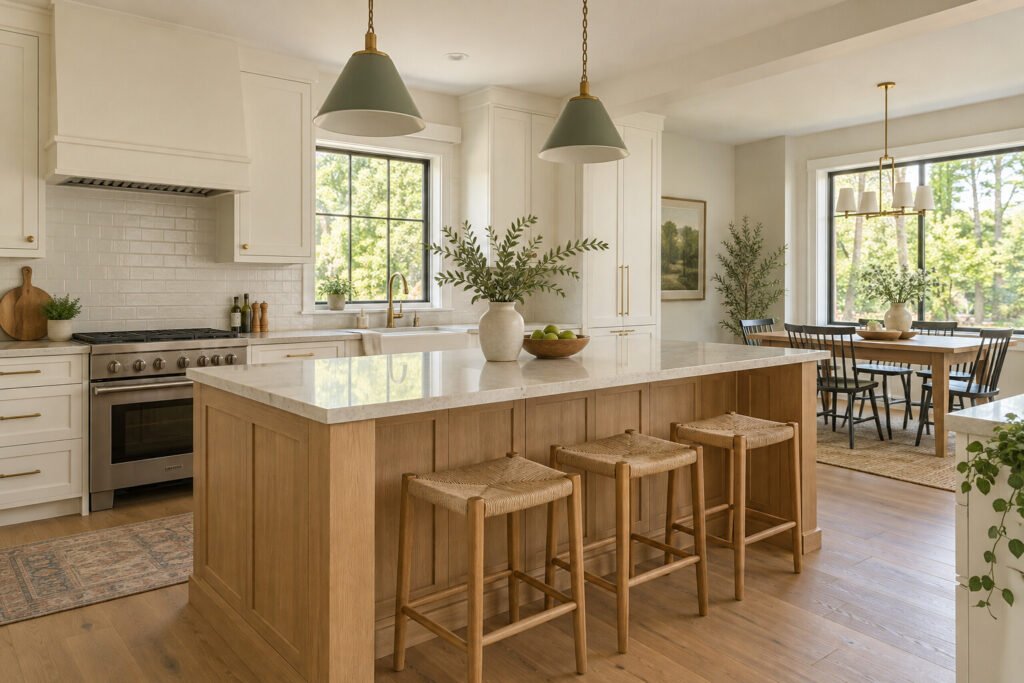
Before you order paint, replace a countertop, or set a listing date, make a plan for the home you actually have.
Preparing a home for sale in Lenawee County starts with three things: your goals, the property’s condition, and the buyers likely to compare it with other available homes. A useful plan puts the important work first and gives you a clear reason for each next step.
This checklist works as a starting point in Adrian, Tecumseh, Hudson, Morenci, and the county’s villages and townships. For personal help with pricing, presentation, and offers, explore selling your home with Jenn Caruso.
1. Start with your move, not a renovation list
Write down your preferred timing, where you expect to go next, and any dates that are difficult to change. If you are buying another property, discuss both transactions early. A home that needs to be ready quickly may call for different preparation decisions than a home with a longer planning window.
Then walk through the property with fresh eyes. Make three lists: items that need investigation, straightforward maintenance, and cosmetic ideas. Ask Jenn which presentation changes are worth discussing for your home before committing to major work.
2. Gather the details buyers will ask about
- Dates and records for available roof, heating, cooling, window, or other major work.
- Information about additions, outbuildings, and improvements.
- Utility and service details, including available water or wastewater records.
- Applicable association documents, fees, or property access information.
- Known concerns and the questions that need a qualified professional’s input.
Organized records support clearer conversations. If a question involves disclosure requirements, legal rights, system condition, or boundaries, ask the appropriate professional rather than guessing.
3. Make the home easy to understand
Start with cleaning, reducing clutter, improving access to rooms, and addressing simple maintenance where appropriate. Help visitors see how spaces connect and how the property functions. Clear counters, usable floor space, and consistent lighting can make photography and showings easier to plan.
Keep the presentation accurate. Photos and descriptions should reflect the property and make any material changes or illustrative images clear in their context. The goal is a useful first impression followed by a showing that makes sense.
4. Match the preparation to the location and property
Adrian and Tecumseh
When comparing your home with nearby listings or sales, pay attention to the exact location, size, condition, and features. City and township properties may call for different comparisons. Prepare the property details that help explain those differences instead of relying on a broad county average.
Hudson and Morenci
For a property in Hudson or Morenci, organize the same core facts and give extra attention to whatever distinguishes the home: a workshop, an extra lot, an unusual layout, or recent improvements. Ask Jenn how those features relate to relevant comparable properties.
Addison, Blissfield, Britton, and Cement City
Confirm the parcel jurisdiction and keep service, improvement, and maintenance information together. A village name in the address is helpful for a search, but buyers still need clear information about the particular home and the offices or providers responsible for it.
Clayton, Clinton, Deerfield, and Onsted
Think through the questions raised by the property’s setting and features. For homes with additional land, detached structures, or nearby water, gather the records that support a clear description. Confirm documented access and association details instead of making assumptions.
5. Build a showing plan you can live with
Talk through appointment notice, access, pets, work schedules, and how you will prepare the home before a visit. Decide where important documents and valuables will be kept. A practical routine is easier to maintain than a plan that ignores daily life.
Agree on how feedback will be shared and when to review the listing’s progress. Feedback can help identify questions to address, but individual comments should be considered alongside the broader picture.
6. Discuss pricing with relevant comparisons
Ask Jenn to explain which properties are useful comparisons and why. Condition, location, lot, layout, updates, and timing can all affect how a comparison is interpreted. An online estimate is a starting point for questions, not a substitute for looking closely at your home.
A pricing discussion is an estimate and a strategy conversation; it cannot guarantee a sale price or a timetable. The aim is to make a decision with useful context and revisit it as circumstances change.
Your first-week preparation list
- Write down your move dates and plans after the sale.
- Collect the property and improvement records you already have.
- List maintenance questions and separate them from cosmetic ideas.
- Arrange a conversation about presentation and relevant comparisons.
- Set a realistic photography and showing routine.
If your next move includes a purchase, use our guide to buying across every Lenawee city and village. You can also read what local real estate guidance should help you do before choosing how to proceed.
Make a plan for your home.
Share your address, preferred timing, and what comes next. Jenn can help you identify a useful starting point for your sale.
Local reference: Lenawee County’s official city, township, and village directory. Use the appropriate local office and qualified professionals to confirm details for a specific property.